March 2022
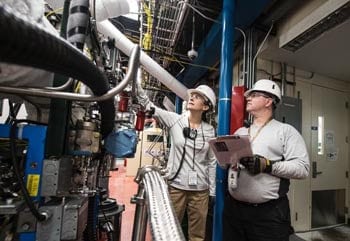
In 2018, 7,346 craft breweries operated in the United States, including 4,521 microbreweries, 2,594 brewpubs, and 231 regional craft breweries making more than 15,000 barrels of beer.[1] In this competitive industry, as the demand continues to increase, so does the number of suppliers. Keeping costs down, production up, and ensuring high-quality beer requires everything to be running at peak performance, at all times.
Beer enthusiasts wait hours or even camp out, to purchase six-packs of limited-edition beers at exorbitant prices. With this additional demand comes the need to automate! Brewery owners have to keep ahead of the competition, keep production costs down, productivity up while providing high-quality beer.
Brewery maintenance also carries safety and compliance duties. Fermentation gives off CO2, which is heavier than air and collects low in tanks and cellars. OSHA’s exposure limit is 5,000 ppm over an 8-hour shift, and NIOSH treats 4% as immediately dangerous to life and health.[2] Servicing equipment falls under OSHA’s lockout/tagout standard, which calls for written procedures and an annual inspection certified on record.[3] And because beer counts as food under FDA rules, production areas follow the good manufacturing practices in 21 CFR Part 117, which cover how plant equipment is maintained and kept sanitary.[4]
Having a well-run maintenance department has a huge impact […]
- Brewers Association, Annual Growth Report (2018 craft brewery counts)
- Brewers Association, CO2 Hazards in Breweries
- OSHA, Control of Hazardous Energy (Lockout/Tagout), 29 CFR 1910.147
- FDA, Current Good Manufacturing Practices (CGMPs) for Food and Dietary Supplements


