The True Cost of Reactive Maintenance in Facility Operations
Reactive maintenance cost is everything a facility spends fixing equipment after it fails, rather than before. That includes emergency labor, rush parts, and the damage a failure causes on its way down. In facility operations, this matters because run-to-failure work rarely shows up as a single expense. It’s scattered across overtime, expedited shipping, and lost operating time until someone adds it all up. A CMMS makes that hidden spend visible by tying every emergency work order back to its true cost. Left unmanaged, reactive maintenance quietly consumes a facility’s budget while preventive maintenance keeps getting pushed to next quarter.
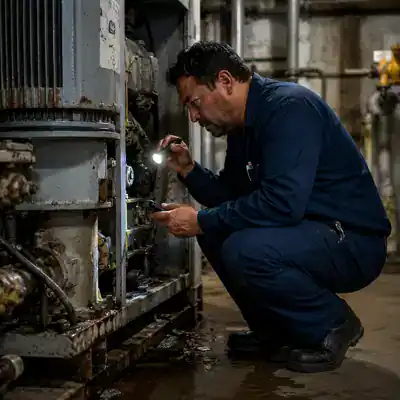
10 Hidden Costs of Reactive Maintenance in Facility Operations
1. Emergency Labor Runs at a Premium Every Time
When equipment fails outside normal hours, the repair has to happen immediately, regardless of what it costs to staff it.
Overtime rates, after-hours contractor call-outs, and rushed shift coverage all add labor cost. A scheduled repair during regular hours would never incur that same cost.
Instead: Move recurring failure points onto a preventive maintenance schedule so repairs happen during standard shifts, not emergencies.
2. Rush Parts Carry Shipping and Markup Costs
A failed component discovered mid-repair often has to be sourced same-day. That usually means paying expedited shipping and a premium over standard pricing.
Those costs compound quickly when a facility experiences several unplanned failures in the same month. Each failure requires its own rush order.
Instead: Stock critical spares based on documented failure history so common parts are on hand before they’re needed.
3. One Failure Often Triggers Secondary Equipment Damage
Equipment rarely fails in isolation. A worn bearing or failed pump can damage connected components before the issue is caught and addressed.
What started as a single-part repair can turn into a multi-system replacement. The repair bill ends up far larger than the original failure would have cost on its own.
Instead: Use condition-based checks during preventive maintenance visits to catch early wear before it cascades into connected systems.
4. Downtime Halts Operations While Repairs Are Made
Unplanned equipment failure often takes a system offline immediately, with no advance notice to plan around the disruption.
Whether it’s a production line, HVAC system, or building access point, that downtime affects operations, occupants, or output. It lasts for however long the repair takes.
Instead: Track failure patterns by asset so the highest-downtime-risk equipment gets priority on the preventive maintenance calendar.
5. Run-to-Failure Shortens Equipment Lifespan
Equipment that’s consistently run until it fails, rather than serviced on a schedule, wears out faster than equipment maintained proactively.
That shortened lifespan means capital equipment gets replaced years earlier than its rated service life. That adds unplanned capital expense on top of the repair costs already incurred.
Instead: Track service intervals against manufacturer specifications so assets reach their full expected lifespan.
6. Degraded Equipment Consumes More Energy Before It Fails
Equipment doesn’t usually fail without warning. It often runs inefficiently for weeks or months first, drawing more power to do the same job.
That inefficiency shows up as a higher utility bill. Few people connect that cost back to the maintenance issue causing it until the equipment finally breaks down.
Instead: Monitor equipment performance trends so declining efficiency triggers a work order before failure and excess energy use set in.
7. Safety and Compliance Risk Rises With Every Deferred Repair
Reactive maintenance means safety-critical systems — fire suppression, electrical panels — only get attention after something has already gone wrong.
According to OSHA, poorly maintained equipment is a recurring factor in workplace injuries. A compliance gap discovered during an inspection can also add fines on top of the repair itself.
Instead: Log safety-critical work order management activity on a fixed schedule so compliance never depends on a failure happening first.
8. Occupant and Tenant Satisfaction Drops With Repeated Outages
In commercial and multi-tenant facilities, unplanned HVAC, elevator, or plumbing failures directly affect the people who use the building every day.
Repeated reactive outages erode trust in facility management and can influence lease renewals or occupant complaints over time.
Instead: Use service request tracking so recurring occupant-reported issues are identified and scheduled before they escalate to a full outage.
9. Technicians Lose Productivity Bouncing Between Emergencies
A facility team focused on reactive work spends its day responding to whatever broke most recently. It rarely follows a planned route through scheduled tasks.
That constant context-switching reduces how much productive maintenance work actually gets done in a shift. The team stays fully occupied, but less gets finished.
Instead: Build a preventive maintenance schedule technicians can follow by default, so emergency work becomes the exception rather than the routine.
10. Reactive Spend Makes Budgeting Unpredictable
Facilities relying heavily on reactive maintenance can’t forecast maintenance costs with any real accuracy. Spend depends entirely on which equipment happens to fail and when.
That unpredictability makes it difficult to plan capital projects or justify preventive maintenance investment to leadership using historical numbers alone.
Instead: Use reporting and KPI dashboards to track reactive work as a share of total maintenance hours, and work to bring it down over time.
How CMMS Software Reduces the Cost of Reactive Maintenance
Reactive maintenance costs add up because they’re scattered across labor, parts, downtime, and energy. No single system ties them together. Platforms such as eWorkOrders connect every emergency work order to the asset, labor hours, and parts behind it. That makes the true cost of reactive work visible, instead of hidden across departments. Building out CMMS software alongside a documented asset management program shifts a facility’s maintenance mix. It moves work away from run-to-failure and toward planned, lower-cost repairs.
- Work orders that capture the full cost of each emergency repair
- Preventive maintenance scheduling to reduce reliance on reactive work
- Asset tracking that flags equipment with repeated failure history
- Inventory management to keep critical spares on hand for common failures
- Reporting and KPIs that track reactive work as a share of total maintenance
- Mobile maintenance access for faster response when emergencies do occur
- Service requests that surface recurring occupant-reported issues early
Frequently Asked Questions
What is reactive maintenance cost in maintenance?
Reactive maintenance cost is the total expense of repairing equipment after it fails. That includes emergency labor, expedited parts, secondary damage, and the downtime the failure causes.
How does CMMS help with reactive maintenance cost?
A CMMS ties every emergency work order back to its labor, parts, and downtime cost. That makes reactive spend visible and gives teams the data to shift more work onto a preventive schedule.
How much of a facility’s maintenance work should be reactive?
Industry best-practice guidance from the Society for Maintenance and Reliability Professionals holds reactive work to under 5% of total maintenance hours. Facilities running well above that typically carry avoidable cost from emergency repair premiums.


