Enterprise Asset Management (EAM): Why It’s Essential
Every organization has assets that need to be maintained. Enterprise asset management is the strategy for getting the most life, reliability, and return out of them — and the CMMS is the day-to-day tool that carries that strategy out.
What is Enterprise Asset Management?
Enterprise Asset Management (EAM) is the process of managing the maintenance of physical assets and equipment of an organization throughout each asset’s lifecycle. The objective of EAM is to maximize asset/equipment lifespan, reduce costs, optimize the quality and utilization of assets, increase efficiency, and improve safety.
EAM covers equipment, vehicles, machinery, and facilities from acquisition to disposal. For the full definition, features, and how to evaluate EAM platforms, see our complete guide: What Is EAM (Enterprise Asset Management)?
Difference Between EAM and CMMS
Enterprise Asset Management (EAM) systems offer a different set of CMMS features. EAM system solutions are used by asset-intensive organizations that need to manage large portfolios of physical assets across multiple locations. However, the popularity of these systems is increasing across small and mid-size organizations that need to manage system performance while adding the ability to plan and control budgets.
Computerized Maintenance Management System (CMMS) is a software solution whose purpose is to manage the maintenance work necessary to extend an asset’s usefulness and its profitability. CMMS objectives include streamlining and automating maintenance tasks and activities; eliminating unplanned downtime; increasing productivity; extending asset lifecycle; helping maintenance and technical workers be more effective and accountable; supporting Operations Management with decisions about preventative versus reactive maintenance; and supporting internal and external occupational and environmental safety and regulatory compliance with work order audit trails.
Enterprise Asset Management (EAM) originated from CMMS, but the primary goal of EAM is to optimize an asset’s life cycle in order to decrease the Total Cost of Ownership (TCO) and at the same time maximizing overall asset productivity and Return on Asset (ROA).
Strategy and tool: EAM is the strategy; a CMMS is often the day-to-day tool that carries it out — scheduling the work, tracking the parts, and recording the cost against each asset. For a field-by-field comparison, see CMMS vs. EAM.
Reasons Why EAM is Important
No matter what size company you may have, or what industry you support, everyone has assets that need to be maintained. EAM helps organizations track, assess, manage and optimize asset quality and reliability. If you can relate to a number of these issues below then it is time to look at EAM.
- You have enterprise assets and equipment that needs to be tracked.
- You have assets across multiple departments and need to streamline processes and improve communications.
- You have hundreds of physical assets, along with complex systems and operations across multiple sites.
- You need to control security settings to ensure that only authorized personnel have access.
- You need better asset and inventory management to reduce the costs of redundant purchases.
- You need to standardize your asset strategy to be consistent across your organization.
- You need to make sure you are meeting all regulatory reporting compliances for your organization’s industry.
- You need total cost of ownership visibility on your equipment, or want to reduce unplanned downtime.
- Enterprise asset management can shrink capital costs, lower asset-related operating costs, extend the life span of an asset and improve ROA (return on assets).
Benefits and Value of Enterprise Asset Management
Improve Health and Safety Practices
EAM’s powerful health and safety management tools is a centralized repository for health and safety information.
Centralize Asset Information
Provides all of the information about your organization’s physical assets in one centralized system. Real-time information will be accurate and available to any department.
Best Practices
Establish workflows and checklists to setup consistency and best practices for your organization.
Better Benchmarking and Performance Management
EAM gives visibility into maintenance performance across the organization to enable benchmarking, best practice sharing, and performance management.
Reduce Maintenance Backlog
EAM software can help you keep track of pending work orders to ensure that they are completed on schedule.
Detect Issues Before They Occur
EAM provides preventive maintenance tools to help keep assets and equipment operating at peak performance.
Move From Reactive to Proactive Maintenance Operations
EAM software allows you to keep on top of maintenance and asset management, and work toward a better Preventive Maintenance (PM) strategy. The system can prompt you when assets need maintenance and repairs. With the automatic generation of work orders, purchase orders, and much more based on the schedules you’ve created, jobs can be completed on time.
Inventory/Maintenance, Repair, and Operations (MRO) Materials Management
EAM gives you control and full oversight into inventory procurement and management by letting you see where the demand for materials is at its highest and lowest levels.
Extend Asset Lifecycle
Equipment lifecycles are extended through more informed maintenance strategies in business processes to improve return on investment.
Reliability
Properly maintained equipment improves asset performance.
Work On-the-Go with Mobile
Using a Smartphone or a mobile device, manage and assess work orders and asset information in real-time, capture electronic signatures, and use bar codes.
Reporting and Analysis
Run reports and create dashboards to analyze asset performance and spot issues before they escalate into bigger problems. Get a better understanding of your maintenance operations by generating key performance indicators for your entire maintenance organization to make better business decisions.
Preparation for Audits and Inspections Seamless
Maintain real-time information and be prepared for audits and inspections.
eWorkOrders Interactive Asset Mapping
Our EAM Interactive Mapping feature gives users a better and quicker visual of where assets are located along with the important information associated with every asset. (Not offered by all vendors.)
Learn how predictive maintenance reduces downtime and prevents failure.
Improve ROI
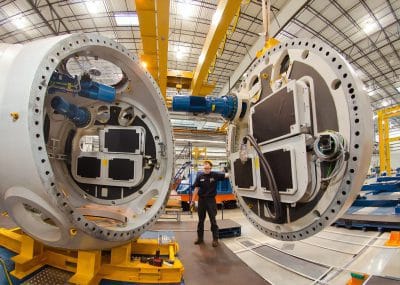
EAM reduces costly emergency repairs, increases asset lifecycle and uptime through preventative maintenance. By being prepared for audits and inspections, organizations can save money on fines and negative publicity.
Efficient EAM solutions combined with the appropriate business processes help organizations to refine their work processes, enhance working conditions, and spot areas for improvement. Having this information available in real-time gives managers the ability to make insightful changes in the right areas and use the right skilled resources to run efficiently.
Introducing eWorkOrders EAM Solution
If you want to protect your valuable assets and keep them running at peak performance, then you need an Enterprise Asset Management solution.
eWorkOrders CMMS/EAM Suite of applications puts you and your team in control and provides you with the tools for obtaining operational visibility of your assets throughout their lifecycle with faster ROI, increased productivity, and operational uptime.
Want to learn more about Enterprise Asset Management? Contact us and speak with one of our Account Executives, who were actual users of eWorkOrders in previous jobs. One of our Account Executives will walk you through a live demo and answer any of your questions to help you make your business decision. Having actual industry experience, they have the experience and expertise to provide additional helpful tips to further enhance your experience with eWorkOrders.
Awards
We have received Top Awards and Recognition in Enterprise Asset Management and Maintenance Management.
Note: Not all CMMS and EAM packages are alike. It is important to work with your account manager to discuss your needs and objectives to come up with a solution that best fits your requirements.
See eWorkOrders EAM in Action
Track every asset across its full lifecycle, from one system, with a live demo built around your equipment.
Frequently Asked Questions
What is enterprise asset management (EAM)?
Enterprise Asset Management (EAM) is the process of managing the maintenance of physical assets and equipment of an organization throughout each asset’s lifecycle. The objective of EAM is to maximize asset/equipment lifespan, reduce costs, optimize the quality and utilization of assets, increase efficiency, and improve safety.
What is the difference between EAM and CMMS?
A CMMS manages the maintenance work needed to extend an asset’s usefulness and profitability. EAM originated from CMMS, but its primary goal is to optimize an asset’s whole life cycle to decrease total cost of ownership (TCO) while maximizing asset productivity and return on assets (ROA). EAM is the strategy; a CMMS is often the day-to-day tool that carries it out.
Why is enterprise asset management important?
Every organization has assets that need to be maintained. EAM helps organizations track, assess, manage, and optimize asset quality and reliability — shrinking capital costs, lowering asset-related operating costs, extending asset life span, and improving return on assets.
Who needs EAM?
Organizations that track assets across multiple departments or sites, manage hundreds of physical assets, need total cost of ownership visibility, must meet regulatory reporting requirements, or want to reduce unplanned downtime benefit most from EAM.
About the author: Janet Jaquis is a CMMS software specialist with over 8 years at eWorkOrders, where she develops educational content, technical guides, whitepapers, and implementation resources for maintenance management professionals.


