Understanding the Pros and Cons of Breakdown Maintenance
Breakdown maintenance — also called reactive or corrective maintenance — is one of the oldest maintenance strategies there is. Here’s what it actually involves, when it earns its place in your program, and when it becomes a liability.
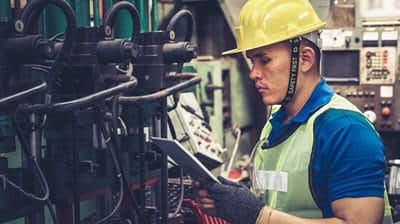
Effective maintenance strategies are essential for ensuring peak performance and durability of equipment and assets. Amid the array of approaches, breakdown maintenance, also termed reactive or corrective maintenance, emerges as a distinctive method with its own set of merits and demerits.
Types of Breakdown (Reactive) Maintenance
In addition to offering a range of maintenance strategies, organizations with substantial assets also have the flexibility to choose specific strategic approaches within those strategies. Within the realm of reactive maintenance, this encompasses several distinct types of maintenance:
- Emergency Maintenance: Emergency maintenance focuses on critical production equipment. Unplanned and executed in response to an immediate breakdown, this type of maintenance takes precedence over other business processes, potentially causing unforeseen delays.
- Breakdown Maintenance: Similar to emergency maintenance, breakdown maintenance addresses sudden equipment failures that necessitate extensive repairs. The associated costs can be substantial, encompassing repair expenses, technician call-out charges, and the significant financial impact of unplanned downtime.
- Corrective Maintenance: Corrective maintenance is proactive, addressing issues before an asset experiences a complete breakdown. For instance, if a machine defect is identified during production, immediate repairs or replacements are undertaken. This form of maintenance acts as a precursor to preventive measures within a reactive strategy.
- Run-to-Failure: Run-to-failure maintenance is a deliberate and planned strategy. It involves allowing an asset to operate until it breaks down. This approach allows for a predefined plan to repair the equipment without causing excessive disruptions to production. Alternatively, a replacement may have already been procured to swiftly replace the aging equipment upon failure.
Advantages of Reactive Maintenance
- Immediate Cost Savings: One notable advantage of reactive maintenance lies in immediate cost savings. Resources are allocated solely in response to a failure, reducing the need for routine inspections and pre-emptive repairs. This proves financially beneficial for organizations, particularly those constrained by limited budgets.
- Optimized Resource Utilization: Reactive maintenance ensures that resources, including manpower and materials, are employed only when absolutely necessary. This efficient resource allocation proves advantageous for organizations aiming to optimize their workforce and minimize periods of idle time.
- Simplified Implementation: Simplicity in implementation is another perk of reactive maintenance. The absence of intricate schedules or planning means that maintenance activities are initiated only when a breakdown occurs. This straightforward approach saves time and simplifies the overall process.
- Suitable for Non-Critical Equipment: In situations involving equipment with low criticality, reactive maintenance might find acceptance. For assets that are not mission-critical and where downtime is manageable, this approach allows for full equipment utilization until a failure transpires.
- Minimal Operational Disruption: Since maintenance activities are triggered solely in response to failures, the approach ensures minimal disruption to ongoing operations. This proves advantageous in scenarios where continuous operation is paramount, and planned maintenance activities could interfere with regular business processes.
Disadvantages of Reactive Maintenance
- Unpredictable Downtime: The most significant drawback of reactive maintenance is the unpredictability of downtime. Equipment failures are often unexpected, leading to unplanned and potentially extended periods of downtime. This unpredictability can disrupt regular operations, impacting overall productivity.
- Elevated Repair Costs: While reactive maintenance may yield short-term cost savings, the repair costs incurred during breakdowns can be higher than those associated with preventive maintenance. Emergency repairs may necessitate expedited shipping of parts and overtime for maintenance personnel, contributing to increased expenses.
- Reduced Equipment Lifespan: Operating equipment until a breakdown occurs can contribute to a diminished overall lifespan. The constant wear and tear without timely intervention can lead to more frequent and severe failures, ultimately shortening the life expectancy of the equipment.
- Safety Concerns: Equipment breakdowns pose safety risks, especially in industrial settings. Unexpected failures can result in accidents or injuries to personnel. In contrast, preventive maintenance, which identifies and addresses potential issues proactively, is generally considered a safer approach.
- Impact on Morale: Frequent breakdowns and ensuing downtime can negatively impact the morale of employees. The frustration and stress associated with unexpected failures may lead to decreased job satisfaction and motivation among the workforce.
Alternative Maintenance Strategies to Consider
In the field of maintenance management, various strategies offer distinct approaches to ensure the reliability and optimal performance of assets. Here are some key types of maintenance strategies to consider:
- Preventive Maintenance (PM): Preventive maintenance involves the scheduled execution of routine maintenance and services to proactively keep equipment in operational condition. Utilizing tools such as CMMS Software, maintenance is strategically performed based on real-time running data. Organizations are transitioning from local installs to web-based CMMS platforms for better efficiency and lower IT burden.
- Predictive Maintenance (PdM): Employing IoT sensors and devices, predictive maintenance aims to estimate and prevent equipment failures through data analytics. Condition monitoring equipment gathers predictions, allowing maintenance teams to analyze patterns and correlations, providing insights into the current state of equipment and predicting failures accurately.
- Condition-Based Maintenance (CBM): As a subset of predictive maintenance, CBM relies on monitoring sensors but differs by using set thresholds and events instead of advanced statistical methods. CBM programs actively monitor moving parts in real-time, determining when maintenance is due based on specific conditions.
- Reliability-Centered Maintenance (RCM): Focused on maximizing asset availability, reliability-centered maintenance understands the risks associated with each asset. By creating a tailored maintenance program, RCM aims to preserve the most critical functions, ensuring the sustained reliability of assets.
Reducing How Much Reactive Work You Do
Reactive maintenance doesn’t have to be the default — a CMMS gives you the tools to shrink how much of your workload is unplanned, by logging every breakdown, standardizing your response, and building the preventive schedule that heads failures off before they happen. We’ve laid out the full process, step by step, in a companion guide: 10 Steps to Minimize Reactive Maintenance Through CMMS Software.
In Conclusion
While reactive maintenance offers immediate cost advantages, it is crucial to carefully weigh these benefits against the potential drawbacks. Organizations must consider factors such as equipment criticality, budget constraints, and the overall impact on operations when deciding on a maintenance strategy. In many cases, a balanced approach that incorporates both reactive and proactive maintenance methods may prove most effective in ensuring the reliability and longevity of assets.
Ready to Get Ahead of the Next Breakdown?
eWorkOrders has helped maintenance teams manage reactive work for 31 years, with 99.99% uptime and a 4.9 rating on both Capterra and G2. We configure the system to fit your assets and workflow in a single 90-minute–2-hour session.
FAQs About the Pros and Cons of Breakdown Maintenance
What is reactive maintenance, and how does it provide immediate cost savings?
Reactive maintenance, also known as breakdown maintenance, involves allocating resources only in response to equipment failures. This approach minimizes routine inspections and pre-emptive repairs, resulting in immediate cost savings, especially for organizations with limited budgets.
How does reactive maintenance optimize resource utilization?
Reactive maintenance ensures that resources, including manpower and materials, are utilized only when absolutely necessary. This efficient allocation proves advantageous for organizations aiming to optimize their workforce and minimize idle time.
Is reactive maintenance complicated to implement, and why is simplicity an advantage?
Reactive maintenance is straightforward to implement due to the absence of intricate schedules or planning. This simplicity saves time and streamlines the overall process, making it a practical choice for addressing breakdowns.
In what situations is reactive maintenance suitable, especially concerning non-critical equipment?
Reactive maintenance might find acceptance for equipment with low criticality. It allows full equipment utilization until a failure occurs, making it suitable for non-mission-critical assets where downtime is manageable.
How does reactive maintenance minimize operational disruption, and why is this advantageous?
Maintenance activities in reactive approaches are triggered solely in response to failures, ensuring minimal disruption to ongoing operations. This proves advantageous in scenarios where continuous operation is paramount, and planned maintenance activities could interfere with regular business processes.
What are the potential drawbacks of reactive maintenance, particularly concerning downtime and repair costs?
The most significant drawback is the unpredictability of downtime. Equipment failures are often unexpected, leading to unplanned and potentially extended periods of downtime. Additionally, repair costs during breakdowns can be higher than those associated with preventive maintenance.
How does reactive maintenance impact equipment lifespan and safety in industrial settings?
Operating equipment until a breakdown occurs can contribute to a reduced overall lifespan due to constant wear and tear. In industrial settings, unexpected equipment failures pose safety risks, resulting in accidents or injuries to personnel.
What factors should organizations consider when deciding on a maintenance strategy, and why is a balanced approach recommended?
Organizations should consider equipment criticality, budget constraints, and the overall impact on operations when deciding on a maintenance strategy. A balanced approach, incorporating both reactive and proactive methods, is recommended for optimal reliability and asset longevity.


