Summer Camp Winterization Checklist: Fall Closing Best Practices
With the summer winding down, now is the best time to prepare camps and recreation facilities for the long, dormant winter months ahead. Performing preventive maintenance and completing important fall maintenance tasks now saves a lot of time and aggravation, and makes reopening in the spring much easier.
Below are best practices to consider when closing your facilities for the winter. These are recommendations only; your list will vary depending on the type of camp you run and where in the country it is located. Working from a checklist ensures that everything gets done and makes opening day a lot easier.

Cleaning Interiors: Offices, Cabins, Sick Rooms, and Electronics
- Check couches, chairs, and benches, including crevices and under cushions, to make sure no food particles are left behind.
- For camps with beds, whether overnight cabins or sick rooms, dust and sanitize bed frames, side tables, lamps, mirrors, clothes racks, headboards and footboards, and dressers.
- Sick rooms: Wipe down, disinfect, and sanitize the room, cabinets, patient bed, and other surfaces.
- Sick rooms: Restock the first-aid kit and other medical supplies you keep on hand during the year.
- Sick rooms: Make a list of the supplies you have in stock, and keep them in a sealed storage container to prevent rodent or pest infiltration.
- Wipe down and sanitize door handles, doors, window frames, and remote controls.
- Close and lock windows, and close curtains.
- Remove any clothing, toiletries, or other items left behind in rooms (a lost-and-found box makes this easy).
- Empty and clean all trash cans.
- Unplug computers, air conditioners, microwaves, and major appliances. A single lightning strike can wipe these out quickly.
- Remove batteries from all electronics, such as clocks and radios.
- In shower areas, make sure all showers, shower drains, sinks, mirrors, and toilets are cleaned, disinfected, and sanitized.
- Clean all towels and linens, and store them in sealed plastic bins or another area protected from pests. Dryer sheets placed with stored linens can help repel critters.
- Clean and cover furniture and bedding.
- Remove clutter, newspapers, rags, and boxes to reduce fire risk.
- Remove cleaning supplies, pesticides, and other chemicals from unheated buildings. Freezing temperatures can crack containers, cause leaks, and reduce the products’ effectiveness.
- Prevent mold: many camps sit in wooded settings near water, and closed-up buildings trap moisture. Make sure everything is completely dry before closing, leave interior and cabinet doors open for air circulation, and place moisture absorbers in damp-prone areas.
- Sweep and mop all interior areas as the final step after all other tasks are complete.
Kitchens
- Wipe down and sanitize counters, sinks, faucets, and cupboards.
- Empty the refrigerator and freezer and discard all food. Clean and sanitize the shelves, drawers, and door, then vacuum or sweep under the refrigerator to remove dust.
- To avoid unpleasant odors when you return, clean and thoroughly dry the entire refrigerator inside and out, including the top. Leaving the door slightly open helps prevent odors and mildew over the winter.
- Clean and shut off the refrigerator ice maker according to the manufacturer’s operating instructions.
- Unplug the microwave, then wipe down and sanitize the inside and outside.
- Unplug and clean all small appliances, such as coffee makers and waffle makers. Empty toaster crumb trays.
- Cover small appliances with a cloth or store them in sealed bags to keep them clean and dust-free.
- Clean and dry the stove, making sure no crumbs, grease deposits, or caked-on food remain to attract rodents and insects.
- Clean out grease traps.
Utilities: Water, Electricity, Phone, Gas, and Heat
Water
The top priority is preventing pipes and fixtures from freezing. If your camp will be closed and unheated for the winter, winterize the water system. Typical steps include:
- Shut off the main water supply.
- Turn off the power or gas to the water heater before draining it.
- Open all faucets and drain the water lines, including outdoor spigots.
- Flush toilets and pour non-toxic RV/plumbing antifreeze into toilet bowls, tanks, and sink and shower drain traps.
Unless you are trained and experienced in winterizing water systems and have the proper tools and equipment, hire a qualified technician who specializes in your type of system and region, or have one help you build a checklist specific to your camp.
Electricity and Phone
- If you won’t need electricity or phone service over the winter, notify your providers. Keep in mind there may be a reconnection fee.
Gas and Oil Heating Systems
- Unless you are trained and experienced in winterizing heating systems and have the proper tools and equipment, hire a qualified technician who specializes in your type of system and region.
Outside Maintenance

- Wipe, disinfect, and sanitize high-touch plastic and metal surfaces, such as grab bars, play structures, and railings.
- Disconnect garden hoses and drain the pipes leading to outdoor faucets.
- Rake and remove leaves, pine needles, fallen branches, and excess foliage from around buildings, where they can create a fire hazard.
- Trim trees and cut back any branches that hang over roofs so they can’t come down on buildings.
- Inspect roofing for shingles or materials that are lifting, cracked, or damaged.
- Sweep leaves, pine needles, and other debris off roofs so water drains properly.
- Check around roof penetrations such as pipes, wires, and chimneys to make sure gaskets, flashing, and caulking are sound and free of cracks.
- Clean out gutters so water runs off the roof unobstructed. Leaking roofs and clogged gutters can lead to significant water damage.
- Seal cracks and gaps ¼” or larger, and check for air leaks around electrical wiring, vents, pipes, windows, and doors. Seal them with caulk or insulation to keep out cold air, rodents, and pests.
- Protect against rodents: mice and squirrels can do serious damage to closed camps. Inspect buildings inside and out for openings, and remove all food sources before you close for the season.
- Septic system: Check the leach field for breakouts, and consider having the tank pumped if it hasn’t been done recently. It’s much easier now than during a busy camp season.
- Mow the lawn one last time.
- Clean and winterize lawnmowers and other gas-powered equipment.
- Clean and store all summer recreational materials and equipment.
- Store outdoor furniture, picnic tables, benches, and hammocks in a protected area, safe from weather and critters.
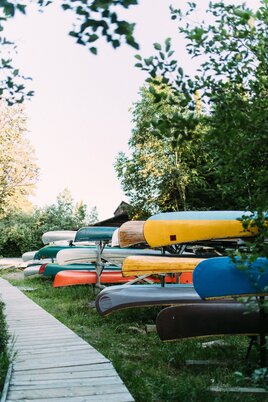
- If your camp has a lake that may freeze over, winterize the dock, boats, and anything else on the water that could be damaged.
Fall Camp Cleanup: Getting Maintenance Management Under Control
Checklists are an important part of successfully closing camps for the winter. You need to be sure nothing has been missed and everything has been completed properly. With so many tasks and so many people doing them, managing everything on paper or in spreadsheets isn’t efficient. You need to centralize these tasks and be able to manage them from anywhere.
Now is the time to get your maintenance operations organized and under control. Computerized Maintenance Management System (CMMS) software gives you the ability to manage the following (learn more about what a CMMS is):
- Preventive Maintenance (PM) Scheduling: Preventive maintenance is routine maintenance performed regularly on equipment to keep it running at peak performance, reducing downtime, failures, and costs. A CMMS lets you plan and schedule maintenance before problems occur while keeping historical records of repairs, parts inventory, and more. With multiple locations and staff spread across worksites, easy-to-use calendar views let you see PM schedules by day, week, or month, along with labor resources and open work orders.
- Asset Management: Keeping campers safe, camps running, and equipment in good condition is a challenge when you’re relying on spreadsheets and scraps of paper. Successfully managing assets and prolonging asset lifespan comes down to one thing: tracking. If you aren’t tracking maintenance history and repairs, you’re wasting time and money. Now is the time to evaluate asset condition and set up PM schedules so you’re ready when camps open. Review repair history to see whether any asset is costing more to repair than it’s worth. Before winter begins, gather your asset information and enter it into a CMMS so your processes live in one centralized, up-to-date system and next fall’s work is easier.
- Tagging Assets: Tagging or labeling assets helps camps manage physical equipment and make informed repair-or-replace decisions. Asset tags also help track equipment and prevent theft. With a CMMS, you can scan an asset tag to instantly pull up asset details, open work orders, and maintenance history. With CMMS Geographic Information System (GIS) and Enhanced Image Mapping, you can also locate assets inside and outside your facilities on visual maps. Not every vendor offers this feature.
- Inventory Control: Having the right spare parts in stock saves time and avoids the cost of hunting for parts when something breaks. With a CMMS, you can set up your spare parts inventory, get notified when stock runs low, and assign preferred vendors to control costs. Just log in to view and manage your inventory from anywhere.
- Staff and Time Management: Knowing your employees’ skills and certifications saves time, money, and headaches. A CMMS lets you track staff credentials and schedules so you can assign the right person to the right job. It also tracks work orders, materials purchased, parts used, and time spent on each repair, showing you which equipment needs constant attention and whether it’s time to replace it.
- Reporting and KPIs: Because a CMMS stores all of your information in one system, you can run detailed reports and dashboards on your maintenance operations. Tracking the performance of your staff and assets shows how well they’re performing, whether they’re safe, and when an asset is costing more than it’s worth. From comprehensive reports to at-a-glance dashboards, you’ll know what needs attention and that repairs were completed correctly.
- Compliance, Inspections, and Sanitation: State oversight of camps varies widely, and in many states camps fall under the state health department, which sets requirements for sanitation, safety, and facility conditions. A CMMS makes preparing for these inspections and audits straightforward. You can build checklists of every required task, schedule the right workers, and track PM schedules, maintenance frequency, manuals, notes, instructions, and tools and parts needed. All documentation and safety records are kept in one centralized database, accessible anytime from anywhere.
- Data Security: Everyone thinks about keeping the camp environment safe, but what about the data on your assets, staff, and buildings? A CMMS stores maintenance records, spare parts, maintenance plans, technical specifications, images, drawings, and manuals. Vendors say their networks are secure, but are they? Independent firms now analyze vendor networks and publish security ratings across multiple categories. This is a good time to ask your vendor for its security rating. Here’s an example: eWorkOrders’ SecurityScorecard rating.
Best of all, these tasks can be managed right from your computer, smartphone, or tablet. CMMS software lets you take control of all your maintenance operations in one centralized system.
To learn more about how camps use CMMS today, contact us to speak with one of our account managers.
This article is a basic guide to help you winterize your summer camp. Tasks vary by camp type and geographic location, and no single list can cover everything. Creating checklists in a CMMS keeps everything organized, provides real-time status, protects your data, and helps make your camp easier to open next year. Discover strategies for long-term success in modern maintenance programs.


