School maintenance encompasses all the activities required to keep a school’s buildings, grounds, and equipment in good working order and safe for students, teachers, and staff. This includes routine tasks like cleaning and landscaping, as well as planned maintenance and repairs. Effective school maintenance ensures a conducive learning environment and protects the school’s infrastructure. Both the United States Environmental Protection Agency (EPA) and the Centers for Disease Control and Prevention (CDC) emphasize the significance of a healthy physical environment for enhancing learning experiences. The EPA’s Indoor Air Quality Tools for Schools program ties a healthy learning environment to reduced absenteeism and improved test scores, and the CDC’s Health and Academics research connects student health to academic performance. Maintaining indoor air quality, keeping the classrooms clean and comfortable and planning regular upkeep activities is just a tip of the proper school maintenance checklist. Simply put, school maintenance jobs don’t end with simply mopping the floors and airing out the classrooms at the end of the day. Rather, they encompass a long list of tasks that need to be taken care of on a regular basis, to ensure that the building – as well as its inhabitants – is well cared for.
The Importance of Proper Maintenance in Schools
 No matter if we’re talking about old or new school buildings, regular maintenance has far more benefits than just creating a safe and comfortable learning environment. School buildings that experience a lot of preventive maintenance work tend to last longer and, over time, save costs in repairs and replacements. Moreover, such environments tend to be more resilient when faced with natural disasters and emergency situations, providing a good shelter option.
As mentioned earlier, school maintenance encompasses a range of tasks essential for upkeeping equipment and infrastructure on school premises. It aims to establish safe, conducive conditions for students, teachers, parents, and guardians, with a focus on providing an appropriate and optimal physical environment for effective learning and teaching. Learn the 8 steps for planning school maintenance.
No matter if we’re talking about old or new school buildings, regular maintenance has far more benefits than just creating a safe and comfortable learning environment. School buildings that experience a lot of preventive maintenance work tend to last longer and, over time, save costs in repairs and replacements. Moreover, such environments tend to be more resilient when faced with natural disasters and emergency situations, providing a good shelter option.
As mentioned earlier, school maintenance encompasses a range of tasks essential for upkeeping equipment and infrastructure on school premises. It aims to establish safe, conducive conditions for students, teachers, parents, and guardians, with a focus on providing an appropriate and optimal physical environment for effective learning and teaching. Learn the 8 steps for planning school maintenance.
School Maintenance Checklist
 Creating a detailed and effective school maintenance plan plays a very important role in establishing a comprehensive maintenance checklist, taking stock of equipment, buildings, and grounds. Ensuring the general upkeep and routine maintenance of the school’s infrastructure and surroundings is paramount. Since the overall condition of the facilities is directly related to creating a healthy and safe school environment, routine maintenance – as well as preventative maintenance – are obligatory.
From maintaining HVAC systems for comfortable classrooms to repairing outdoor walkways, each aspect contributes to the overall health of any school building, thus improving the school environment in general.
Effective school facility management should cover a diverse range of aspects, including:
Creating a detailed and effective school maintenance plan plays a very important role in establishing a comprehensive maintenance checklist, taking stock of equipment, buildings, and grounds. Ensuring the general upkeep and routine maintenance of the school’s infrastructure and surroundings is paramount. Since the overall condition of the facilities is directly related to creating a healthy and safe school environment, routine maintenance – as well as preventative maintenance – are obligatory.
From maintaining HVAC systems for comfortable classrooms to repairing outdoor walkways, each aspect contributes to the overall health of any school building, thus improving the school environment in general.
Effective school facility management should cover a diverse range of aspects, including:
Infrastructure Maintenance
- Regular upkeep of the school building and grounds
- Monitoring and maintaining electrical systems
- Ensuring energy efficiency through sustainable practices
- Managing heating, ventilation, and air conditioning (HVAC) systems
- Plumbing and water supply maintenance
- Roofing and structural integrity oversight
- Maintaining and monitoring the condition of fire alarms as well as fire extinguishers
Asset Management
- Ensuring an organized and well-stocked inventory
- Tracking and managing equipment and supplies
- Implementing preventive maintenance measures
- Maintaining compliance with the latest safety standards
- Conducting timely replacements and repairs
Inventory Management
- Developing and maintaining a comprehensive inventory system
- Ensuring the availability of essential supplies for daily operations
- Regularly updating inventory records to track consumption and restocking needs
- Regularly updating maintenance records and replacing outdated and broken equipment
- Establishing efficient procurement processes to prevent shortages
- Implementing technology solutions for streamlined inventory tracking
- Categorizing inventory based on urgency and frequency of use
- Regularly conducting audits to identify discrepancies and minimize waste
- Collaborating with vendors to optimize supply chain management
- Training staff on proper inventory handling and reporting procedures
Health and Safety Compliance
- Adhering to federal and state regulations for water quality and air ventilation
- Preventing exposure to biological or chemical agents
- Ensuring proper waste disposal procedures
- Implementing safety measures to protect against other potential hazards
Security and Access Control
- Developing and maintaining security protocols for students and staff
- Installing and managing access control systems
- Regular testing and monitoring of security measures
- Training students and staff on security procedures
Emergency Preparedness
- Creating and practicing emergency plans and procedures
- Regularly checking the state of emergency lighting, supplies and emergency equipment
- Regularly testing and maintaining fire alarms
- Ensuring adequate lighting and signage for emergency exits across all school facilities
- Providing clear and accessible emergency protocols for staff and students
Sustainability and Environmental Considerations
- Implementing eco-friendly practices and initiatives
- Monitoring and reducing energy consumption
- Incorporating renewable energy sources
- Promoting waste reduction and recycling programs
Technology Integration
- Managing and maintaining classroom technology
- Ensuring the functionality of audiovisual equipment
- Providing technical support for teachers and students
- Investing in student learning
- Upgrading and updating technology infrastructure as needed
Collaborative Partnerships
- Establishing relationships with external vendors and contractors
- Coordinating with school board, administrators, teachers, and staff
- Communicating maintenance plans and progress to stakeholders
Key Players in School Maintenance
 No matter which school district a school belongs to, and no matter how many school facilities are included in the equation, one thing’s certain – no school can be running smoothly without proper general maintenance. That being said, the school maintenance team consists of dedicated professionals whose job is to ensure that both students and teachers spend their days in a clean and safe environment. Their responsibilities include a wide range of tasks, from routine maintenance to emergency repairs. And by creating a well-optimized maintenance plan, these professionals usually excel at saving money by identifying potential issues on time and avoiding costly repairs.
 Facility Managers
These individuals oversee the overall maintenance strategy. They make crucial decisions, manage budgets, and ensure the effective allocation of resources. Facility management is also often in charge of coordinating with external contractors and vendors.Maintenance Supervisors
Responsible for supervising the maintenance team, these individuals assign tasks, monitor progress, and ensure that maintenance operations run efficiently. They act as a bridge between facility management and maintenance technicians.Maintenance Technicians
The backbone of the team, maintenance technicians perform the majority of hands-on tasks. They address work orders, conduct preventive maintenance, repair equipment, and maintain the physical infrastructure of school facilities.HVAC Technicians
Specializing in heating, ventilation, and air conditioning systems, HVAC technicians ensure optimal indoor climate control. They perform maintenance, repairs, and installations to provide a comfortable learning environment suitable for improving the overall academic performance of students.Electricians
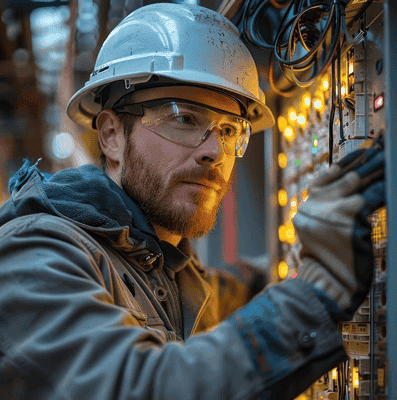
Skilled electricians handle electrical maintenance, troubleshoot issues, and ensure proper lighting and electrical systems throughout school grounds.Plumbers
Plumbers maintain water supply systems, fixtures, and drainage systems. They address plumbing issues to maintain proper sanitation and functionality.Custodial Staff
Responsible for cleanliness and hygiene, custodial staff perform routine cleaning, waste disposal, and maintenance of common areas.Security Personnel
In charge of safety, security personnel manage access control, surveillance systems, and emergency protocols to ensure a secure environment for students and staff.Emergency Response Team
Trained to handle crisis situations, this team executes emergency plans, conducts drills, and ensures the safety of all occupants during unforeseen events.Technology Support
These experts manage and maintain classroom technology, audiovisual equipment, and digital systems to support the integration of technology in education.Administrators and Staff
While not part of the maintenance team per se, administrators and staff play a role in reporting maintenance issues, assisting with coordination, and supporting the overall maintenance efforts.Types of School Maintenance Tasks
In addition to the inherent nature of maintenance tasks, these tasks can also arise under different circumstances. Facility management should be prepared for an array of planned and reactive maintenance tasks in any school district, as detailed below:- Emergency Maintenance Tasks: These tasks demand immediate attention in response to sudden breakdowns or failures. For instance, a malfunctioning boiler on a cold winter day necessitates urgent intervention.
- Preventive Maintenance Tasks: Carried out at regular intervals, preventive maintenance tasks are designed to uphold the integrity of facilities and assets and avert potential failures. A classic example is replacing air conditioning filters every three months.
- Predictive Maintenance: This proactive approach involves analyzing equipment performance, usage patterns, and age to forecast estimated lifespans and pinpoint potential maintenance requirements. Predictive maintenance software is often employed to conduct this analysis and notify team members when services are needed to prevent breakdowns or initiate replacements.
How Staff Report Maintenance Issues
In a school, maintenance requests do not come from the maintenance team – they come from teachers, principals, coaches, and office staff, and they arrive by email, phone call, hallway conversation, and sticky note. A flickering light in a third-grade classroom, a broken lock on a locker room door, a cold room in January: each one has to reach the right technician without getting lost along the way. A service request interface gives every staff member one place to report a problem. Staff scan a QR code or open a link, describe the issue and the room number, and submit – no login and no training required. Each request lands in a single queue where the maintenance team reviews it, sets priority, and converts it into a work order, and the person who reported it can see that it was received. For most districts this is the fastest place to start, because it turns scattered informal requests into a record the team can actually work from.Transforming School Maintenance with eWorkOrders
 The integration of cutting-edge CMMS software in school maintenance services marks a transformative leap towards projects that are designed to aid in performing various school maintenance jobs. For that reason, we at eWorkOrders are committed to staying current and adapting to change which allows us to earn and continue building trust and reputation in the industry. Our innovative solutions have helped revolutionize the management of upkeep, streamlining operations, empowering staff, and fostering optimal learning environments. By seamlessly incorporating advanced technology, educational institutions and facility managers can unlock unprecedented efficiency, elevate maintenance quality, and propel their commitment to excellence. Our education CMMS testimonials show how schools and universities successfully manage facilities with eWorkOrders. So, don’t hesitate to schedule a free demo today and let us provide you with the right solution.
 Final Thoughts
In every school community, school administrators are tasked with creating a healthy environment that fosters student learning. However, this simply wouldn’t be possible without the help of professional maintenance staff. When armed with cutting-edge CMMS software, these experts can easily assess needs, identify weak spots and put together a detailed maintenance plan that will help them keep both school buildings and school grounds safe and accessible to all.Frequently Asked Questions
What does maintenance mean in school?
In a school environment, maintenance refers to various tasks needed to help keep the facility safe for use. These tasks include general upkeep of school buildings, school grounds and equipment, as well as the overall infrastructure on school grounds. Identical to campus maintenance, the main focus of school maintenance is to create a safe and healthy environment for all of its attendees.What are the 4 types of maintenance?
Corrective, preventive, predictive, and proactive maintenance make the four main types of maintenance. Simply put, the first serves the purpose of fixing things, while others are there to prevent potential hazards or accidents, predict where and how things can malfunction, and repair and replace things before they become a problem or cause major issues.What does a school maintenance technician do?
A school maintenance technician is usually in charge of performing regular building and equipment inspections, identifying potential hazards, addressing maintenance needs, as well as repairing anything that needs to be fixed. This includes – but is not limited to – plumbing, electrical and HVAC repairs, as well as repairing various pieces of equipment and lighting fixtures.Who is in charge of school maintenance?
Maintenance directors and facility managers are the main people in charge of every school maintenance. However, they are also the people at the top of this type of organization, meaning that they are usually not the ones who conduct all the assessments and repairs themselves. Instead, they are the ones who coordinate workers, create detailed maintenance and upkeep plans, and delegate tasks to their maintenance staff accordingly.


