Preventive Maintenance for Water Treatment Plants: Ensuring Reliability & Compliance
A water treatment plant can’t stop because a pump failed. When a blower, clarifier drive, or chemical feed system goes down, treatment quality and permit compliance are at risk, and the public notices.
Preventive maintenance keeps that equipment running and gives you the records to prove it. This guide covers the assets to put on PM first, how to build an inspection program, and how a CMMS keeps the documentation audit-ready.
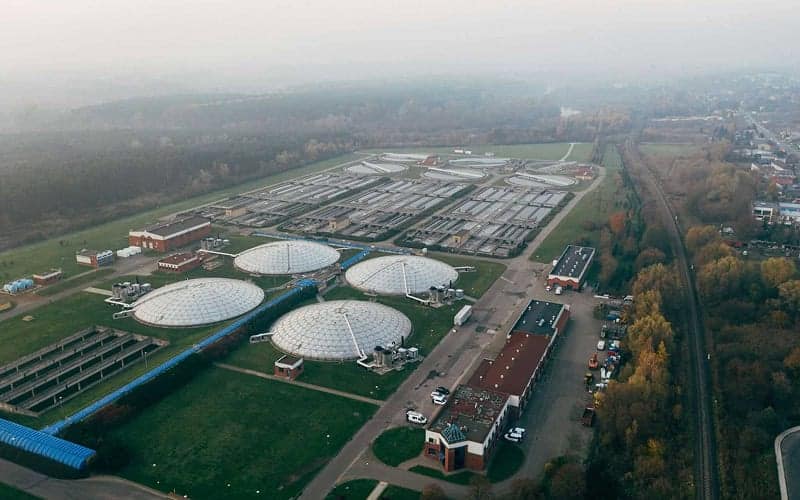
Why Reliability Matters in Water Utilities
Preventive maintenance for water treatment plants ensures reliable operations, regulatory compliance, and uninterrupted service through scheduled inspections and servicing. The basics are the same as any preventive maintenance program. What makes utilities different is what’s at stake when equipment fails.
- The plant runs around the clock. There is no weekend shutdown, so maintenance has to happen while the process keeps running.
- Failures affect public health. A disinfection, filtration, or chemical feed failure can affect water quality, not just equipment.
- Permits require proper maintenance. Regulators expect treatment equipment to be maintained, and they expect records to show it.
- Assets are spread out. Lift stations, wells, and remote sites need PM too, often with small crews covering long distances.
Critical Assets That Need PM First
Start with the equipment that would interrupt treatment or put the plant out of compliance if it failed. In most plants, that list includes:
- Pumps and motors: lubrication, seal and packing checks, vibration and temperature readings, and alignment.
- Aeration blowers: filter changes, belt and bearing checks, and oil service.
- Clarifier drives and mechanisms: gearbox oil, torque checks, and scraper and skimmer inspection.
- Valves and actuators: exercising, leak checks, and actuator function tests.
- Chemical feed systems: metering pump calibration, tubing and line inspection, and leak checks.
- Screens and grit removal: wear inspection, cleaning, and drive service.
- Filters and disinfection systems: backwash checks, media inspection, and UV lamp or chlorination equipment service.
- Instruments and analyzers: calibration and verification of flow meters, level sensors, and water quality analyzers.
- Standby generators: scheduled test runs, fuel and battery checks, and transfer switch testing.
Rank each asset by what happens if it fails: impact on treatment, permit risk, safety, and whether a backup unit exists. Equipment without redundancy goes to the top of the list.
Compliance and Inspections
For wastewater plants with a discharge permit, the requirement to maintain equipment is written into the permit conditions. Under federal NPDES rules at 40 CFR 122.41(e), the permittee must at all times properly operate and maintain the treatment and control systems used to achieve compliance with the permit. Under 122.41(j)(2), monitoring records generally must be kept for at least three years.
Drinking water plants answer to the Safe Drinking Water Act and their state primacy agency, which set their own inspection and recordkeeping requirements. Whatever your plant treats, the pattern is the same: inspect on a schedule, fix what you find, and keep the record.
1. List every asset and its requirement
Record each asset with its location, manufacturer, and any permit, state, or manufacturer requirement that applies to it.
2. Set the inspection interval
Use the strictest requirement that applies: your permit, your state rules, or the manufacturer’s recommendation.
3. Write a checklist for each inspection
Include the readings to record, the acceptable range, and what to do when a reading falls outside it.
4. Turn findings into work orders
Every problem found during an inspection becomes a tracked repair, so nothing found gets forgotten.
5. Keep the completed record
Store who did the work, when, what they found, and what they fixed, against the asset, for as long as your requirements say.
How a CMMS Tracks Water Treatment PM
Paper logs and binders make it hard to answer a simple question during an inspection: when was this pump last serviced? Preventive maintenance software answers it in seconds.
- Scheduled PM work orders. eWorkOrders schedules preventive maintenance by date or meter-based usage, such as pump run hours. Once a PM schedule is set up, its work orders come due on that schedule.
- Checklists on PM work orders. A checklist with the steps, readings, and acceptable ranges can be attached to PM-generated work orders, so every operator does the inspection the same way.
- History on the asset. eWorkOrders maintains each asset’s work order and maintenance history in the asset record, ready to show an inspector.
- Remote sites in one system. Lift stations, wells, and the main plant sit in one list, so nothing gets missed because it’s out of sight.
- Overdue PM reporting. Reports show which inspections are done, overdue, or coming due, before an inspector asks.
Every PM runs through the same work order management process as your repairs, so planned and corrective work share one record. For a closer look at wastewater operations, see our guide to CMMS for wastewater treatment plants. For maintenance compliance examples, see how a national water reclamation and reuse company operating more than 200 systems uses eWorkOrders to track work orders, spare parts, and regulatory compliance for each project.
Keep Every Inspection on Record
See how eWorkOrders helps your maintenance team schedule preventive maintenance, track inspections, and turn problems into work orders before small issues become costly downtime. See how it works in a free, personalized demo.
Frequently Asked Questions
Why is preventive maintenance important for water utilities?
Water and wastewater plants run continuously and serve the public, so an equipment failure can affect water quality, permit compliance, and service. Preventive maintenance catches wear and drift during scheduled inspections, before it causes a failure, and creates the maintenance records regulators expect to see.
How often should water treatment assets be inspected?
Use the strictest requirement that applies to each asset: your discharge permit, your state’s rules, or the manufacturer’s recommendation. Many plants combine daily operator rounds with weekly, monthly, quarterly, and annual PM tasks, and adjust intervals based on each asset’s failure history.
What equipment needs preventive maintenance in a water treatment plant?
Start with pumps and motors, aeration blowers, clarifier drives, valves and actuators, chemical feed systems, screens and grit removal, filters and disinfection systems, instruments and analyzers, and standby generators. Equipment without a backup unit should be at the top of the list.
What maintenance records should a water treatment plant keep?
Keep a record of each inspection and repair: the asset, the date, who did the work, the readings taken, what was found, and what was fixed. For wastewater plants with an NPDES permit, federal rules at 40 CFR 122.41(j)(2) generally require monitoring records to be kept for at least three years. Your permit or state may require longer.
Part of the eWorkOrders Learning Center
Regulatory content: This article is general information, not legal, regulatory, or compliance advice. Requirements for water and wastewater plants vary by permit, state, and system type, and regulations are amended over time. The issuing agency’s own published rules and your permit are the authoritative sources. This page does not replace your plant’s own compliance program.


