How Tom, a manufacturing maintenance manager, moved from constant firefighting to operational control with preventive maintenance software built for real maintenance teams
Unplanned downtime is an undeniable reality for asset-intensive organizations. A missed inspection, a delayed routine maintenance task, or an undocumented exception may seem minor in the moment, but these small gaps often surface later as production stoppages, compliance issues, and costly emergency repairs. In many facilities, failures begin quietly through process breakdowns long before equipment actually stops working.
Tom, a maintenance manager at a mid-sized chemical manufacturing plant, faced this pressure every day. Responsible for uptime, inspection readiness, and audit-ready maintenance records, he worked long hours to keep operations running. Yet unexpected failures persisted, and the underlying compliance risk never fully disappeared.
The problem wasn’t effort or expertise. It was the absence of preventive maintenance software that could enforce structure, visibility, and accountability at scale.
Keep reading to see what finally changed Tom’s approach.
Why Manual Processes Undermine Preventive Maintenance at Scale
Tom operated in an environment where equipment failure or malfunction directly affected production targets, often hampering crucial projects and costing the business millions of dollars. Any disruption immediately created downstream pressure across operations. Yet the maintenance ecosystem in Tom’s company was not updated.
Work orders were created manually. Inspection schedules lived in spreadsheets. Maintenance history depended on emails, handwritten notes, and individual memory. Although the organization used basic equipment maintenance software, it lacked automation, enforcement, and accountability.
As a result, routine maintenance was often delayed when urgent repairs surfaced, preventive tasks went unnoticed, and audit preparation became reactive instead of continuous. Over time, breakdowns felt inevitable rather than avoidable.
Tom knew the model was unsustainable. Without a preventive system to enforce structure and visibility, downtime and compliance risk would continue to compound until something exposed the gap.
When Preventive Maintenance Software Is Missing, Small Gaps Become Catastrophic
The moment that reshaped Tom’s approach to maintenance happened during a scheduled holiday shutdown. The facility had followed its standard process. Production paused, systems were powered down, and maintenance teams prepared to use the window for planned work.
Approvals were in place, and from an operational standpoint, the shutdown appeared controlled and routine. Inside one section of the plant, however, a laboratory had been running a continuous experiment for 17 years. The work required uninterrupted power.
A request to keep electricity flowing to that area had been shared through emails and informal communication, but it was never formally embedded into a system that tracked critical dependencies.
Tom had no visibility into that exception. The organization relied on basic tools and manual coordination, without preventive maintenance software to document special asset requirements, enforce confirmation steps, or flag conflicts during shutdown planning.
When the power was cut, the experiment stopped.
By the time electricity was restored, nearly two decades of research had been lost, along with millions of dollars in investment. Leadership’s questions quickly moved beyond the shutdown itself. They focused on process control, documentation, and how such a critical dependency could exist outside the maintenance system.
For Tom, the consequences were immediate. A routine shutdown had led to the loss of 17 years of research, and leadership needed clear answers. Reviews began into how the shutdown was approved, how exceptions were tracked, and why a critical dependency existed outside the maintenance system.

Attention turned to documentation, oversight, and whether other gaps might exist. Soon, it was clear the issue was not a missed task but a system that allowed important information to live outside formal controls.
This incident had shown that he needed to find an alternative as soon as he could.
Consistently Rated The Highest CMMS Provider

How Tom Regained Control with Preventive Maintenance Software
In the weeks after the shutdown incident, Tom started looking for answers outside his own facility. Late evenings were spent reading industry forums and maintenance leadership groups, searching for how other teams were preventing similar failures.
In one discussion, a plant reliability manager described moving from manual shutdown coordination to a system that enforced asset dependencies and preventive schedules. The platform mentioned repeatedly was eWorkOrders.
With little left to lose and pressure still high, Tom scheduled a demo.
What stood out immediately was how closely the system matched the gaps his team had just experienced. Preventive maintenance schedules were automated instead of being tracked in spreadsheets. Assets could carry critical notes, requirements, and operational dependencies that stayed visible during planning.
Work orders were linked directly to equipment history, inspections, and compliance records. Nothing relied on memory or side conversations. Tom moved forward with deployment.
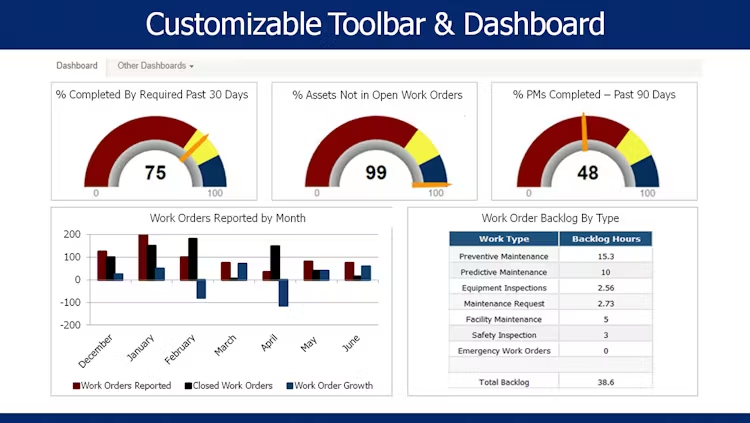
Once live, shutdown planning changed first. Asset-level exceptions were documented and required verification before work could proceed. Preventive tasks were scheduled and escalated automatically if delayed. Technicians logged work in real time through mobile devices, creating accurate, time-stamped records tied to each asset.
Over the following months, overdue inspections declined, emergency work decreased, and audit preparation shifted from reactive to routine. Most importantly, Tom no longer depended on fragmented information. Preventive maintenance software gave him system-level visibility and control, turning maintenance from a source of risk into a managed, accountable process.
Why Preventive Maintenance Works Long After the Crisis Passes
The power-cut incident wasn’t caused by faulty equipment; it was caused by missing controls. That lesson reshaped how Tom approached maintenance.
eWorkOrders preventive maintenance software didn’t just reduce breakdowns; it replaced reliance on memory and manual tracking with enforceable, system-driven processes.
With fast deployment, configurable workflows, and audit-ready reporting aligned to real maintenance operations, eWorkOrders enables teams to prevent downtime instead of reacting to it. When maintenance is system-driven, compliance becomes part of daily work—and surprises disappear.
Take control of maintenance before the next failure decides for you.
FAQs
Will preventive maintenance software disrupt daily operations?
No. Preventive maintenance software like eWorkOrders fits into existing workflows and deploys without interrupting daily work.
Does preventive maintenance software support audits and compliance?
Yes. Inspection history, asset records, and maintenance logs are centralized and audit-ready.
Is preventive maintenance software suitable for small teams?
Absolutely. It helps small teams reduce emergency work and focus on planned maintenance.
Turn Downtime Risk into Maintenance Control with an Enterprise-Grade Preventive Maintenance Software
Preventive maintenance software transforms maintenance from reactive firefighting into a controlled, proactive operation, helping teams protect uptime, reduce risk, and stay confident under pressure.
Key Learnings:
- Stop failures before they impact production
- Replace emergency fixes with planned maintenance
- Maintain audit-ready records without extra effort
- Run maintenance with visibility and confidence
When maintenance is proactive, downtime stops being a threat and becomes a managed outcome.
Prevent downtime early and protect millions of dollars with eWorkOrders.