Preventive maintenance software is one of the most effective tools organizations use to reduce downtime, control maintenance costs, and extend asset life. As maintenance operations become more complex and compliance requirements increase, relying on spreadsheets or reactive maintenance is no longer sustainable.
This guide explains why modern maintenance management systems matter, how they support preventive strategies, and how organizations choose the best software for their operations.
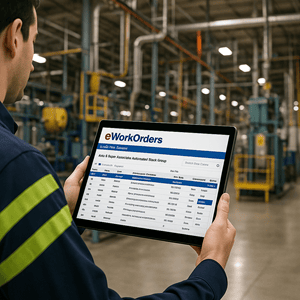
What Is Preventive Maintenance Software?
Preventive maintenance software (PM software) helps organizations plan, schedule, and track maintenance activities before equipment fails. Tasks are automatically triggered based on time, usage, or meter readings—ensuring critical assets receive consistent care.
Most organizations implement preventive maintenance through a cloud-based maintenance platform that centralizes asset data, schedules, work orders, spare parts, and compliance records.
Why Preventive Maintenance Software Is Critical in 2026 and Beyond
Unplanned downtime is one of the largest hidden costs in maintenance operations. Equipment failures disrupt production, increase safety risks, and lead to expensive emergency repairs.
- Fewer equipment breakdowns
- Lower total maintenance costs
- Longer asset lifecycles
- Improved regulatory compliance
- Better workforce efficiency
Key Benefits of Preventive Maintenance Software
1. Reduced Equipment Downtime
Inspections, lubrication, calibration, and servicing occur on schedule. Automated alerts and recurring work orders prevent missed maintenance that leads to failures.
2. Lower Maintenance and Repair Costs
Reactive maintenance often results in overtime labor, expedited parts, and major component replacements. Preventive maintenance spreads costs over time and minimizes emergency repairs.
3. Extended Asset Life and Better ROI
Assets maintained consistently last longer and perform more efficiently. Tracking service history and performance trends supports lifecycle management.
4. Compliance and Audit Readiness
A modern maintenance system automatically records service history, providing instant audit trails for OSHA, FDA, ISO, and internal inspections.
5. Improved Scheduling and Workforce Efficiency
Maintenance managers can schedule work based on availability, asset criticality, and production demands—reducing backlog and technician burnout.
Industries That Benefit Most from Preventive Maintenance Software
- Manufacturing – production equipment and CNC machines
- Healthcare – medical devices and life safety systems
- Facilities Management – HVAC, electrical, plumbing
- Education – campus buildings and laboratories
- Utilities & Energy – substations, pumps, turbines
- Food & Beverage – sanitation compliance and production lines
Preventive vs. Predictive Maintenance: What’s the Difference?
Preventive maintenance follows predefined schedules based on time or usage. Predictive maintenance uses condition monitoring and performance data to anticipate failures.
Modern maintenance platforms support both strategies, allowing organizations to start with preventive maintenance and evolve toward predictive maintenance as data maturity increases.
How to Choose the Best Preventive Maintenance Software
- Cloud-based deployment
- Automated preventive maintenance scheduling
- Mobile access for technicians
- Asset and work order management
- Inventory and spare parts tracking
- Reporting and compliance documentation
- Ease of use and fast implementation
Why Organizations Choose eWorkOrders
eWorkOrders is a cloud-based preventive maintenance platform designed to help organizations implement maintenance strategies without complexity. Teams use our software to automate schedules, manage assets, reduce downtime, and maintain compliance across multiple facilities.
With mobile accessibility, configurable workflows, and real-time visibility, eWorkOrders supports maintenance teams as they scale operations and improve reliability.
Final Takeaway
Preventive maintenance software is essential for organizations that rely on critical assets. A modern maintenance system enables teams to shift from reactive repairs to proactive maintenance—reducing downtime, controlling costs, and improving operational reliability.
Frequently Asked Questions
What is the best preventive maintenance software?
The best PM solution is a cloud-based platform that supports preventive scheduling, asset tracking, and compliance reporting.
What’s the difference between CMMS and EAM?
CMMS focuses on maintenance management and work orders, while EAM includes broader asset lifecycle and financial management.
How much does preventive maintenance software cost?
Pricing varies based on features, users, and assets managed. Most cloud-based platforms use subscription pricing.
Is preventive maintenance better than reactive maintenance?
Yes. PM reduces downtime, lowers costs, improves safety, and extends equipment life.
Which industries benefit most from preventive maintenance software?
Manufacturing, healthcare, facilities management, education, utilities, and food & beverage.


