Facilities Management (FM): Key Responsibilities and Benefits
Without effective facilities management, organizations face rising operating costs, unplanned disruptions, regulatory risk, and declining asset performance. Buildings, equipment, and infrastructure deteriorate rapidly when maintenance activities are reactive, undocumented, or poorly coordinated.
Facilities management (FM) establishes a structured approach to maintaining safe, efficient, and reliable environments. By coordinating people, buildings, assets, and operational processes, FM supports daily operations while protecting long-term organizational investments.
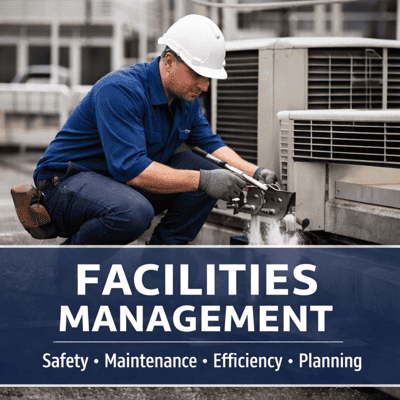
Understanding Facilities Management
Facilities management refers to the coordinated management of physical assets, building systems, operational processes, and supporting services that enable organizations to function effectively. Modern FM integrates preventive maintenance, safety programs, compliance tracking, and performance oversight into a unified operational framework.
Many organizations use a computerized maintenance management system (CMMS) to centralize maintenance activities, standardize workflows, and maintain accurate records.
- Oversight of building systems and critical infrastructure
- Preventive and corrective maintenance planning
- Work order management and task prioritization
- Asset tracking and maintenance history management
- Safety, risk management, and regulatory compliance
- Energy usage monitoring and cost optimization
- Coordination of service providers and contractors
The Growing Importance of Facilities Management
Facilities teams across industries such as manufacturing, healthcare, education, government, utilities, and commercial real estate face increasing operational pressure. Aging infrastructure, compliance requirements, labor constraints, and rising costs make structured facilities management essential.
- Escalating maintenance and repair expenses
- Unplanned downtime and service interruptions
- Increased safety and compliance risk
- Faster asset deterioration
- Lower employee, tenant, patient, and occupant satisfaction
Protecting People Through Safety and Compliance
FM plays a critical role in maintaining safe environments and meeting regulatory requirements. CMMS software helps document inspections, corrective actions, and compliance activities to support audits and reduce risk.
- Routine inspection of fire detection and suppression systems
- Emergency exits, lighting, and safety signage verification
- Hazard identification and corrective maintenance tracking
- Inspection records and compliance documentation are maintained
Minimizing Operational Interruptions
Unplanned equipment failures disrupt operations and increase costs. Facilities management supported by CMMS software enables a shift from reactive maintenance to proactive planning.
- Scheduled preventive maintenance
- Early identification of system and asset issues
- Coordinated repair planning and execution
- Reduced reliance on emergency maintenance work
Managing Costs More Effectively
By using maintenance management software to track labor, materials, and asset performance, organizations gain better visibility into maintenance costs and resource utilization.
- More accurate maintenance cost forecasting
- Fewer emergency repairs
- Controlled energy and utility spending
- Maximized value from existing assets
Preserving the Value of Physical Assets
- Routine inspections and servicing
- Condition monitoring and documentation
- Maintenance history tracking within CMMS
- Planned upgrades and replacements
Improving Energy Performance and Environmental Impact
- Optimizing HVAC and lighting systems
- Monitoring energy usage patterns
- Supporting energy-efficient equipment upgrades
- Reducing waste and unnecessary consumption
Enhancing the Workplace Environment
- Faster resolution of facility issues
- Improved comfort and usability
- Fewer operational disruptions
- Higher occupant satisfaction
Facilities Management as a Long-Term Advantage
Facilities management is a strategic discipline that supports safety, efficiency, resilience, and long-term organizational success.
Centralized platforms such as eWorkOrders CMMS help facilities teams manage work orders, schedule preventive maintenance, track assets, document inspections, and maintain consistent oversight without unnecessary complexity.
Frequently Asked Questions
What is the main purpose of facilities management?
To maintain safe, reliable, and efficient environments that support organizational operations.
Does facilities management only involve maintenance work?
No. It also includes safety, compliance, planning, asset management, budgeting, and performance tracking.
How does a CMMS support facilities management?
A CMMS centralizes work orders, preventive maintenance schedules, asset records, inspection documentation, and compliance tracking.
Which industries benefit from facilities management software?
Manufacturing, healthcare, education, government, utilities, warehousing, and commercial facilities.


